I’ve been keeping track of the babies, making notes at anything significant, and it feels like I’ve had an uptick in losses of late.
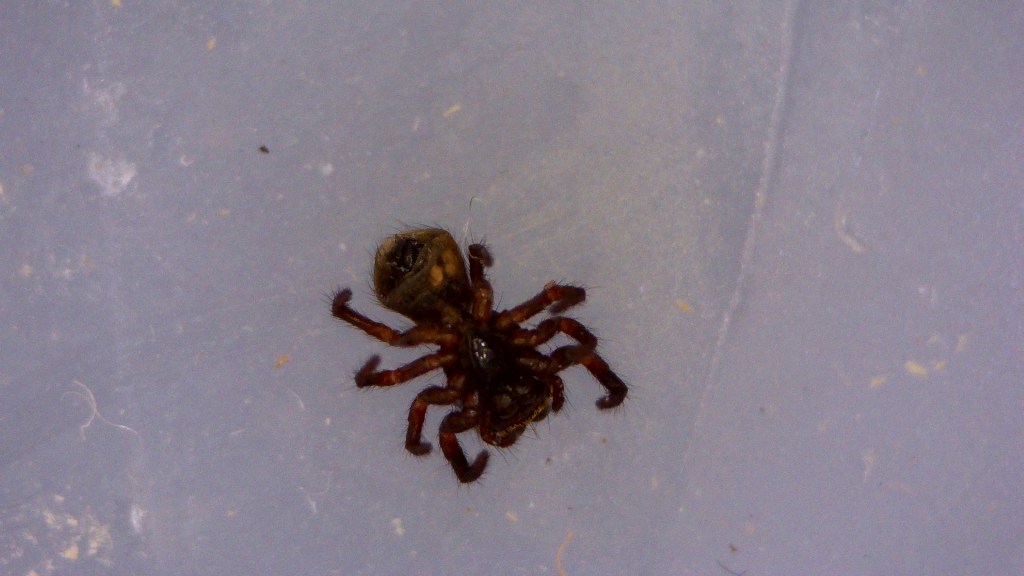
1/1/25 – #21 has many grain mites on it, 19, 20 (this has since resolved, mites died without anything to eat)
1/4 #7 dead
1/11 #16 dead, bad molt
1/15 #12 has several bad legs, #20 dead
1/19 inventory = 23 spiders total
- 8 mite free – 1, 2, 5, 8, 10, 12, 14, 15
- 6 with mites- 17, 18, 19, 21, 22, 23, 24
- 9 in communal container
1/20 one dead in communal
1/21 moved three spiders out of the communal habitat (25, 26, 27) and created a new container with five inside. #27 is the biggest I have. Found number 12 on the bottom of its container struggling to get out from underneath a dead fruit fly. Not sure he’ll make it. This is the one with the bad legs.
1/24 #22 dead, #19 dead
1/26 #12 dead, 24 dead of mismolt
1/28 #15 might be stuck in shed. Added more humidity
1/29 #15 still struggling with shed
2/3 #1 seems to be dying
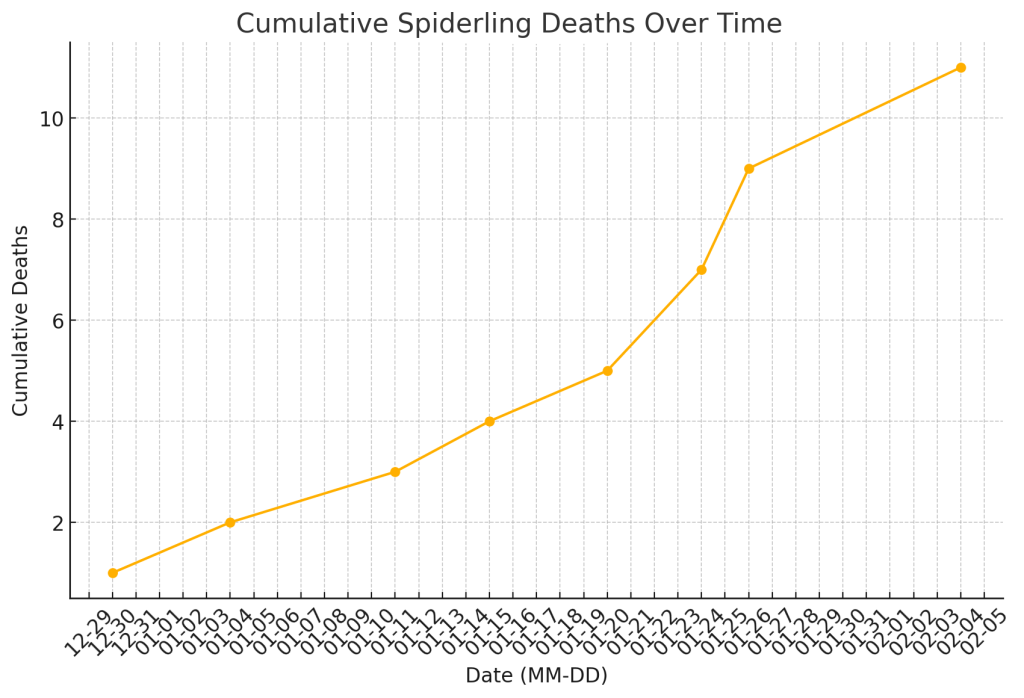
Around Jan 19th my friend remarked that humidity might be an issue, either too low or too high. It’s difficult to know. I was originally misting once every other day, seeing as they are a desert species. I’ve started misting daily, adding in a paper towel to retain humidity, and that may have resulted in more deaths.
My friend found that Phidippus morpheus are heavily associated with creosote bushes, which flower in spring and summer. She said they may rely on the plant for shelter and feed on the insects that come to pollinate the flowers. Out of her five babies I believe she’s only lost one. It died suddenly, an hour or so after seeming fine.
I sat down last night and banged out a plan, splitting the spiderlings into two groups. Group A will have the side of the deli cup misted twice a week. Group B has a swatch of paper towel in the cup misted every other day. Both groups have babies of various instars. This way I can tell what works best for this species.
I also ordered more humidity/temperature gauges. I’ll place them inside empty deli cups to read what the levels actually are for each group. I didn’t think of it until now, as they’re rather bulky. (Edit: They’ve arrived, and I can already see a huge difference. This is about an hour after misting. Curious to see how different it is in the morning.)

Here are the groups I’m starting with:
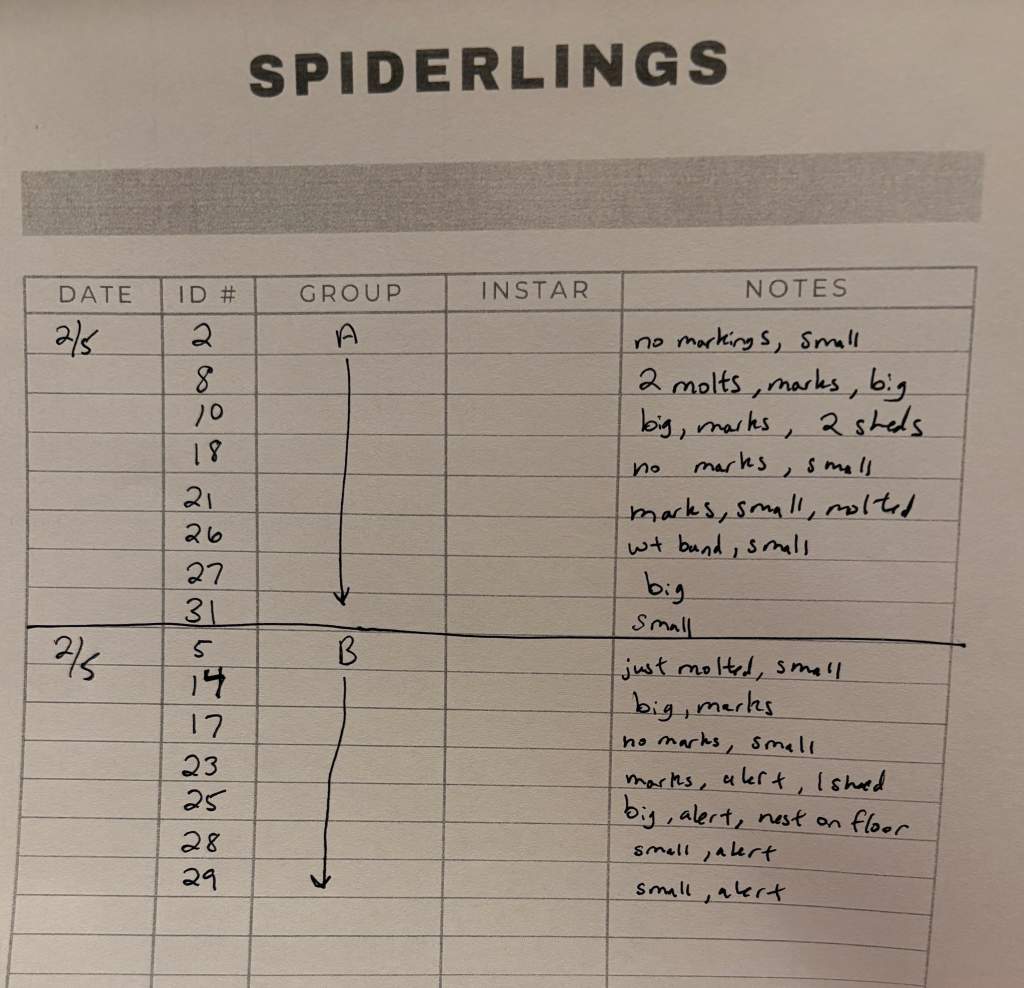
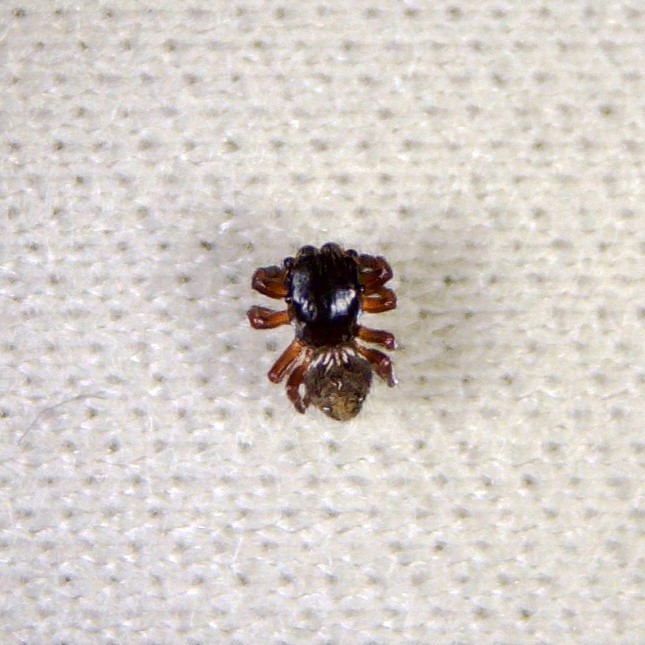
I’m going to guess on the instars, going mostly by size and whether they have markings or not. The smaller ones are solid colored, or solid with a faint white band on the abdomen. I’m calling those instar 2. What I’m calling instar 3 has the fully marked abdomen. It can be difficult to tell how many times they’ve shed, both because they spent time in a communal container and because, prior to my microscope, it was difficult to tell the difference between a cast off shed and feeder debris.
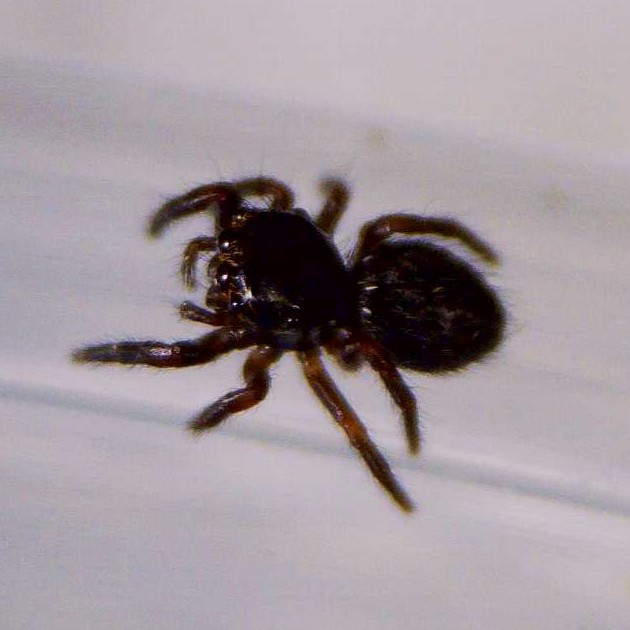

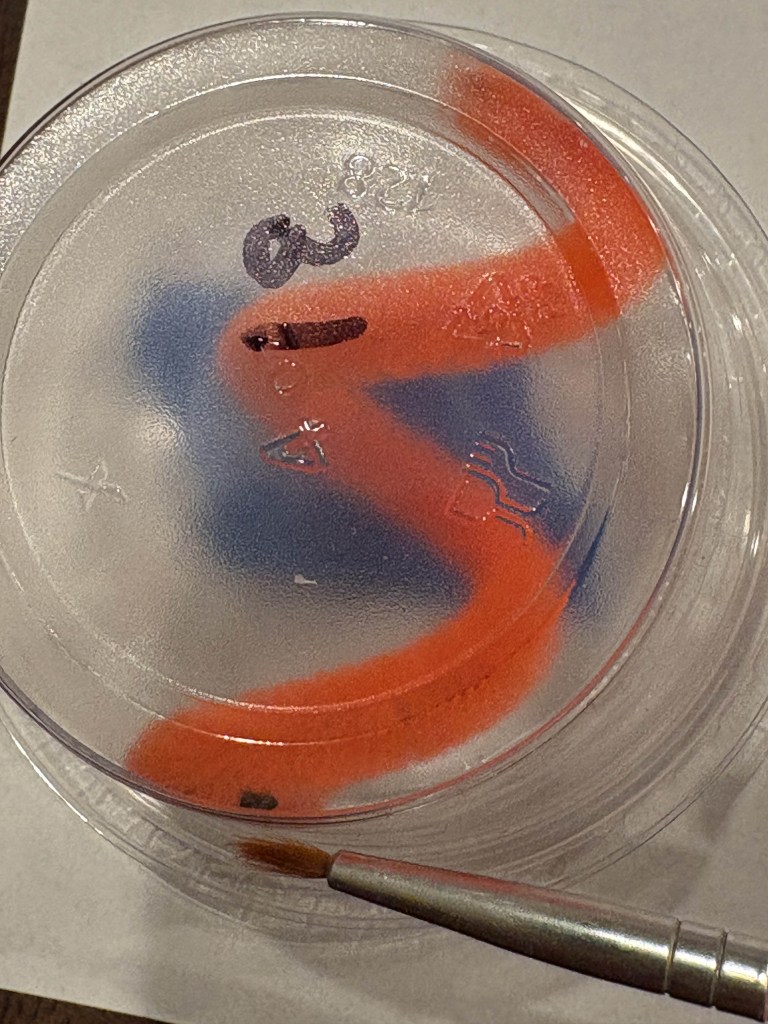
I saw another breeder using graph paper to show age development – wish I’d thought of that sooner. I’ll have to start doing it for these guys. Tomorrow I’ll measure them all and take pictures. For now, you can see the size difference with this paint brush I use to move them around. Remember, some of these guys hatched a month after the others.

I hope to have more data for you soon!
 Lilith's Legacy
Leave a comment